

🔗A Not Neat Knot is a Knot Not Needed
- Mr Beta

- Nov 29
- 4 min read
Why Clean Knotwork Matters in the Vertical World
A well-tied knot is the foundation of safety in climbing, canyoneering, and rescue.
Knots must be clean, secure, and purpose-fit. Understanding the difference between knots and hitches—and knowing how to inspect them—can mean the difference between a smooth rappel and a serious incident.

🧗♂️ Why Knot Tying Matters
In the vertical world, knots are more than tools—they’re trust. Every anchor, harness tie-in, and rope join relies on a knot doing its job under load, in wet conditions, and sometimes in high-stress scenarios. A sloppy knot can slip, jam, or fail. A clean knot holds, releases, and inspires confidence.
Key reasons knotwork matters:
Safety: Prevents rope failure, slippage, or misrigging.
Efficiency: Clean knots are easier to inspect and untie.
Communication: Good knotwork signals competence to your team.
Knots vs. Hitches: Know the Difference
Though often used interchangeably, knots and hitches serve distinct roles:
Type | Definition | Example Use |
Knot | A self-supporting rope configuration that holds its shape without external support. | Figure-8 on a bight, Bowline |
Hitch | A rope configuration that requires an object (like a carabiner or post) to hold. | Clove Hitch, Munter Hitch |
Bend | A knot used to join two ropes together. | Double Fisherman’s, Water Knot |
🧵 Rope Anatomy & Knot Definitions
Before you tie anything, it helps to know what you’re working with. Here’s a breakdown of the basic terminology:
🧶 Parts of the Rope
Standing End: The inactive part of the rope—usually the longer section not being manipulated.
Working End: The active part used to tie the knot.
Bight: A U-shaped bend in the rope that doesn’t cross itself.
Loop: A full circle formed when the rope crosses itself.
Tail: The leftover end after the knot is tied—critical for security.
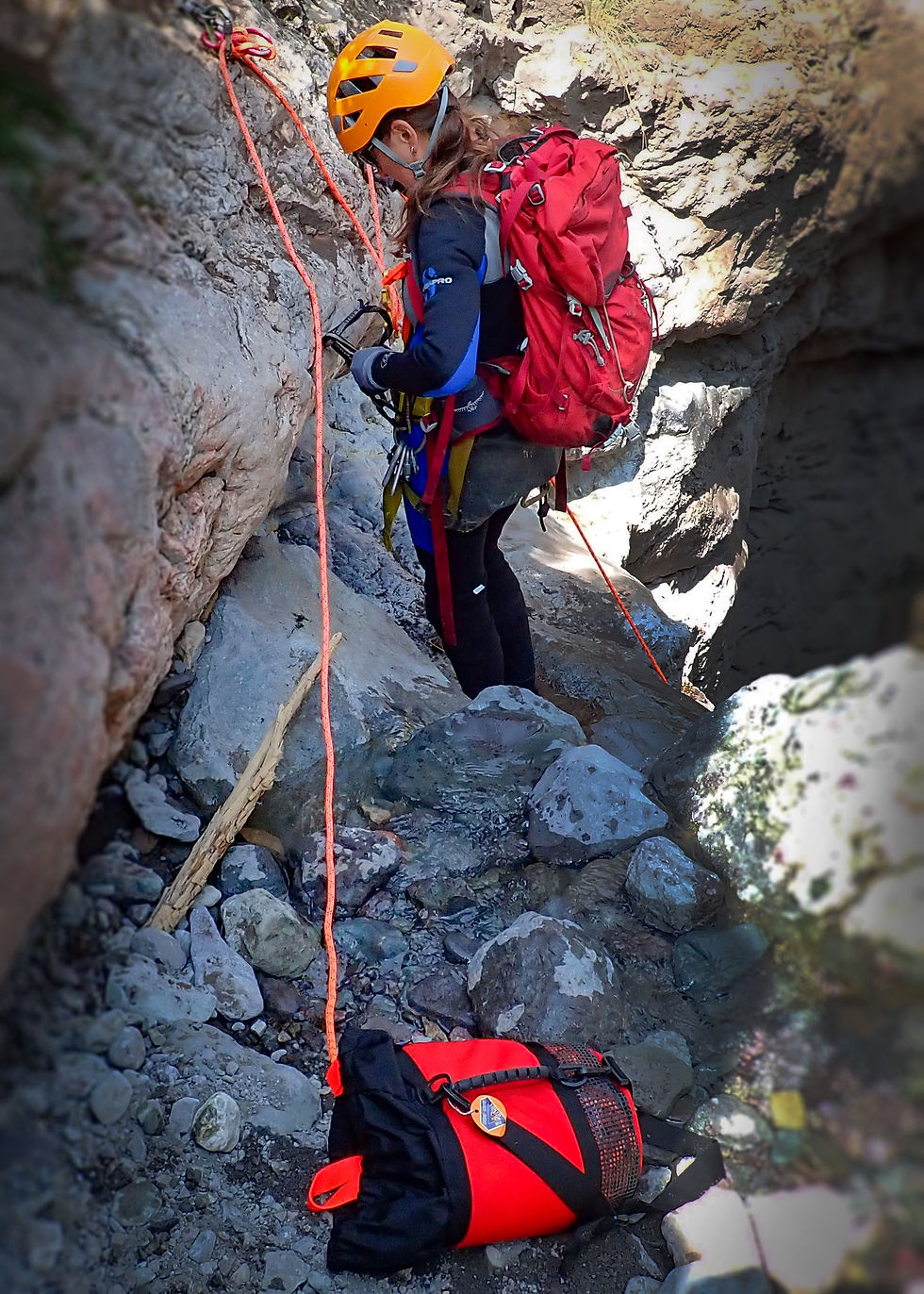
A knot is a fixed configuration made by intertwining rope, cord, or webbing that holds its shape without relying on an external object. It is self-supporting and designed to perform a specific function—such as securing, joining, or anchoring—under tension or load.
🔗 Key Characteristics of a Knot:
Self-contained: Unlike hitches, knots don’t require an anchor point to hold.
Purpose-driven: Different knots serve different roles—tying in, joining ropes, creating loops, or stopping ends.
Shape matters: A well-dressed knot has clean, flat strands and is easy to inspect.
Security depends on tension and tail length: Most knots require sufficient tail (usually 6+ inches) and proper tightening to stay secure.
🧵 Examples of Common Knots:
Figure-8 on a bight: Creates a secure loop for anchors or tie-ins.
Overhand knot: Simple stopper or backup knot.
Bowline: Creates a fixed loop that’s easy to untie after loading.
A hitch is a type of knot that requires an external object—such as a carabiner, post, rope, or anchor—to hold its shape and function. Unlike standalone knots, hitches depend on what they’re tied around to stay secure.
🔗 Key Characteristics of a Hitch:
Dependent: A hitch won’t hold without something to grip.
Adjustable: Many hitches can be repositioned or tightened after loading.
Versatile: Ideal for anchoring, belaying, or attaching rope to gear.
🧵 Common Hitches:
Clove Hitch: Quick and adjustable, often used for temporary anchors.
Munter Hitch: Used for belaying or rappelling with a carabiner.
Girth Hitch: Simple loop around an object—common in slings and webbing.
Why It Matters: In canyoneering and climbing, hitches are essential for dynamic rigging and adaptability. But they must be tied correctly and matched to the right context—because without their anchor, they’re just loose rope.
A bend is a type of knot specifically used to join two separate ropes together. Unlike hitches (which rely on an external object) or knots (which are self-contained), bends are designed to connect rope ends securely so they act as one continuous line.
🔗 Key Characteristics of a Bend
Purpose-built: Always intended for joining ropes.
Security: Must be tied neatly and dressed properly to avoid slipping.
Load-bearing: Holds under tension but should be chosen based on rope diameter and conditions.
Inspection critical: Tails must be long enough and often backed up with stopper knots.
🧵 Common Bends
Double Fisherman’s Bend: Strong, compact, often used to join ropes for rappelling.
Sheet Bend: Useful for ropes of unequal diameter.
Water Knot: Common for joining webbing in anchors or slings.
Why It Matters: In canyoneering, climbing, or rescue, bends are essential when rappels exceed the length of a single rope or when webbing needs to be joined for anchors. A poorly tied bend can slip under load, so clean dressing and inspection are non-negotiable.

🔍 How to Inspect a Knot
Before you weight any rope, inspect your knot like your life depends on it—because it might.
Checklist for knot inspection:
Is it the right knot for the job? Don’t use a hitch where a knot is needed.
Is it dressed properly? All strands should lie flat, with no twists or crossovers.
Is it tightened? A loose knot can shift under load.
Are the tails long enough? Minimum 6 inches or backed up with a stopper knot.
Is it symmetrical and recognizable? If it looks messy or unfamiliar, retie it.
🧠 Common Mistakes to Avoid
“Close enough” knots: Improvising leads to failure.
Poor dressing: Twisted strands weaken the knot.
Short tails: Risk of slippage under load.
Overconfidence: Always double-check, even if you’ve tied it a thousand times.
🧭 Final Thought
In the canyon, on the wall, or at the anchor, your knot is your handshake with gravity. Make it clean. Make it intentional. Because a not neat knot is a knot not needed.


